
But I’m getting ahead of myself.
The day I left Avis was, indeed, short, with me doing little more than 20 km and then trespassingsleeping on a field that had the gate open. The pic haul was still pretty decent, though.
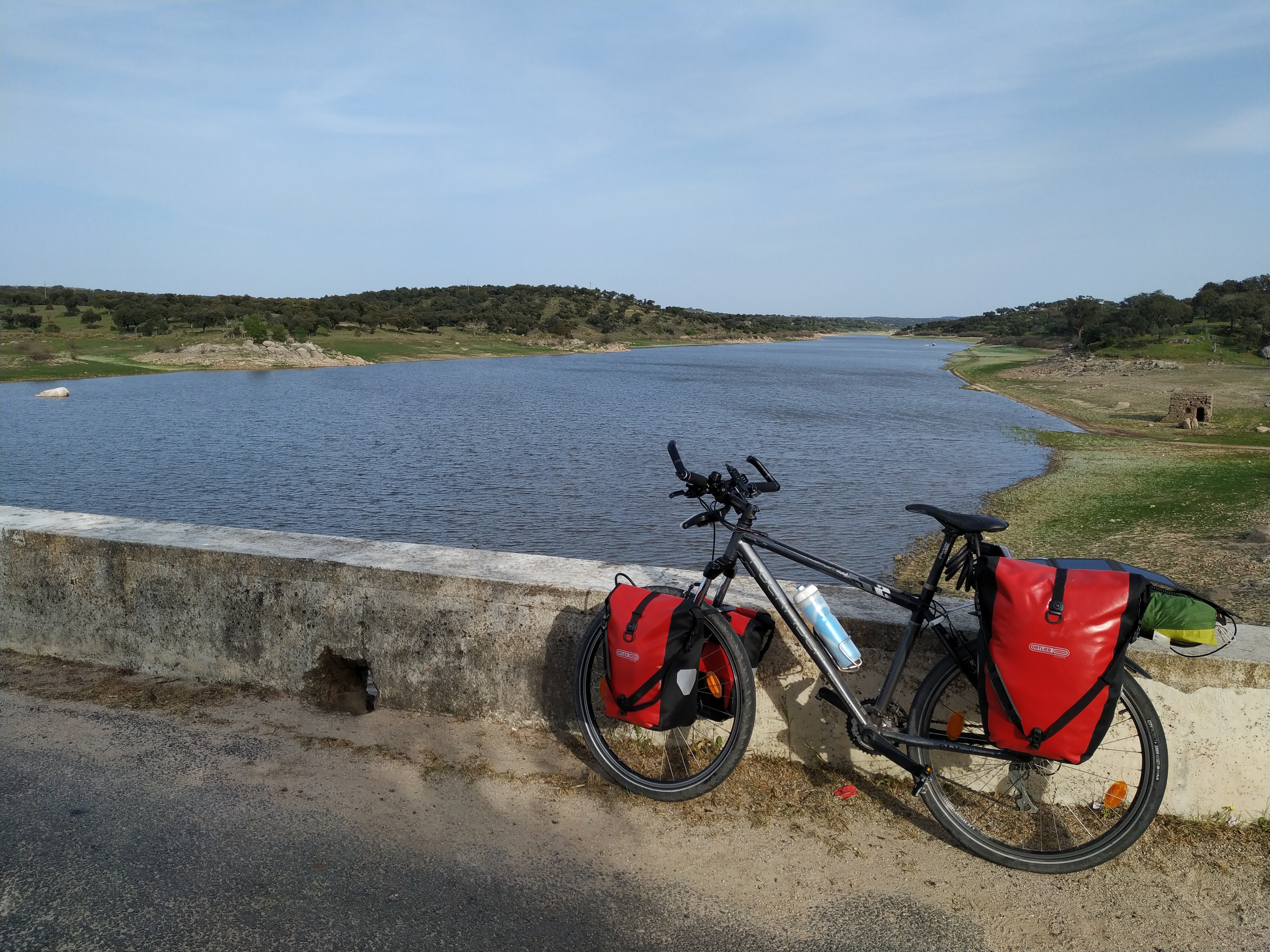
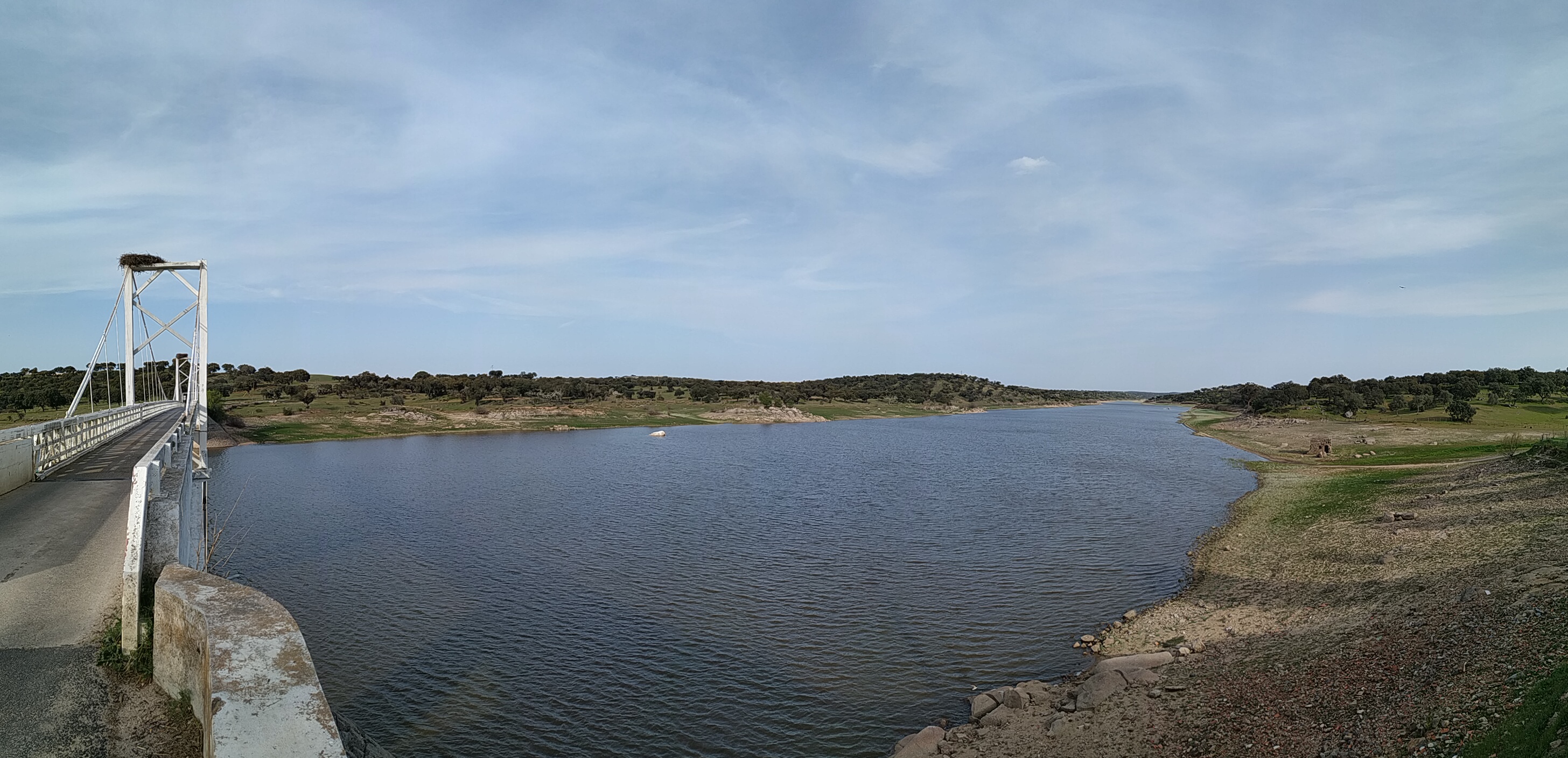
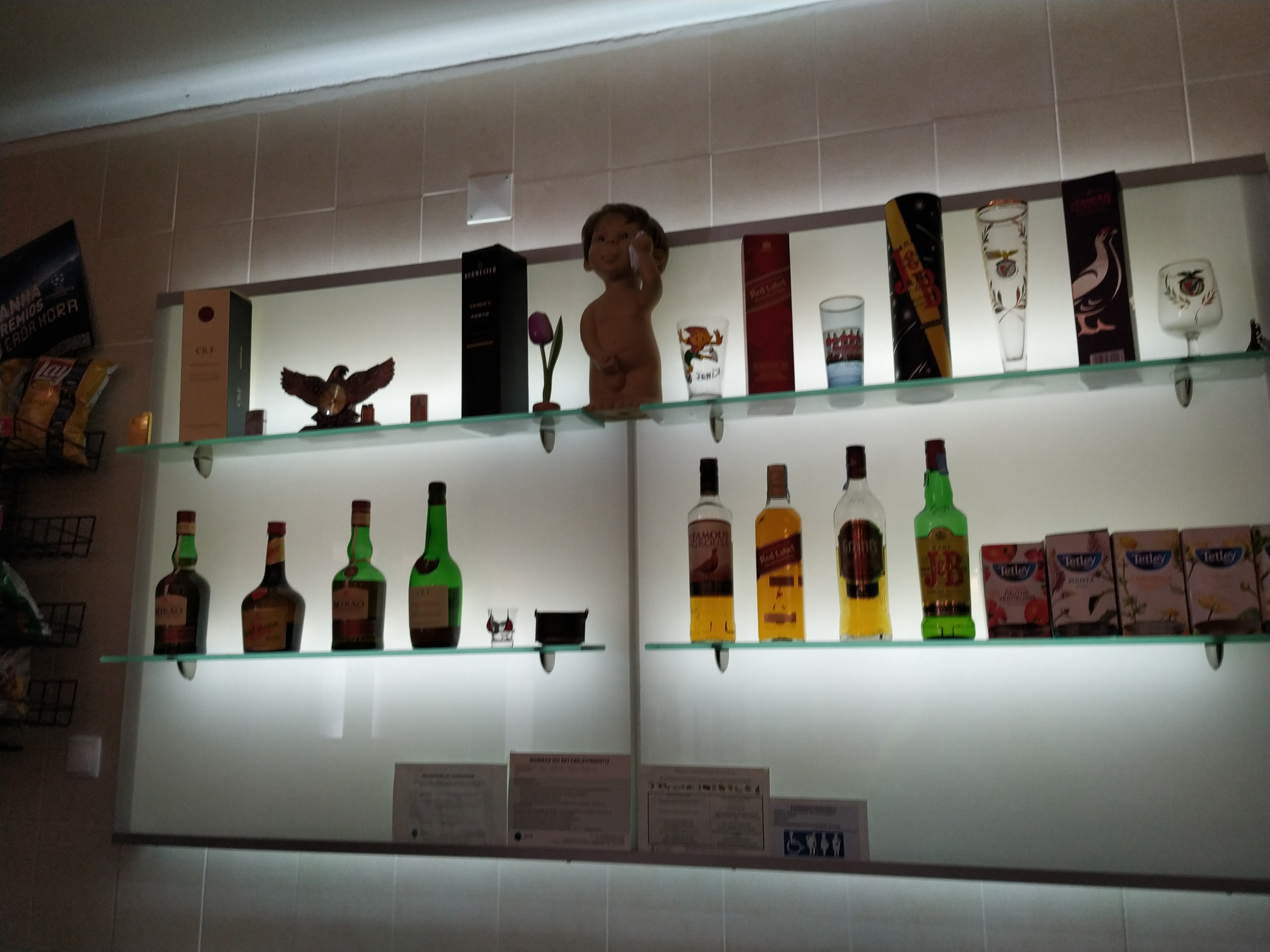
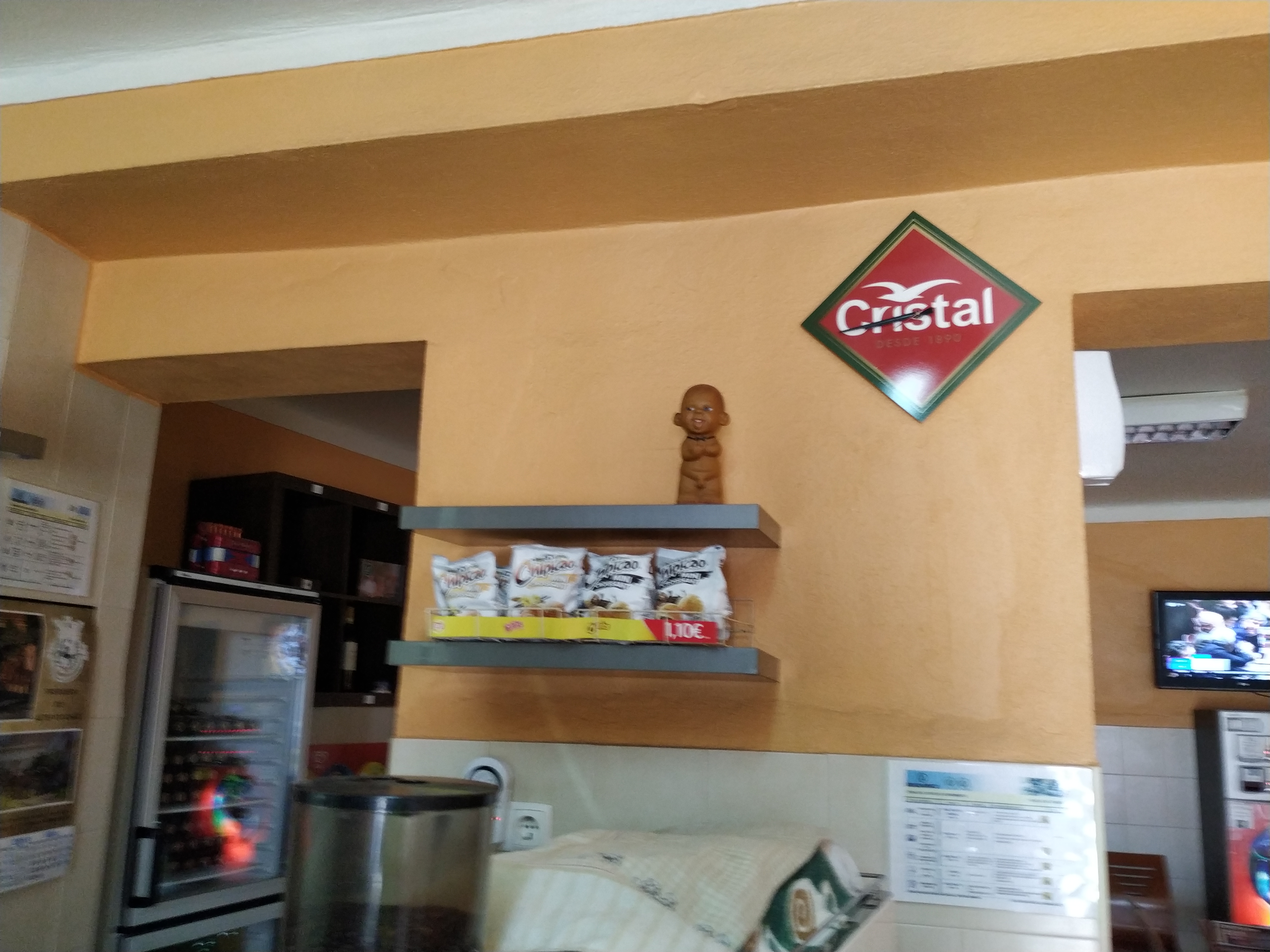
The next day, I was up bright and early, and soon reached Alter do Chão, where I had breakfast in a place with a rather… odd… decor.
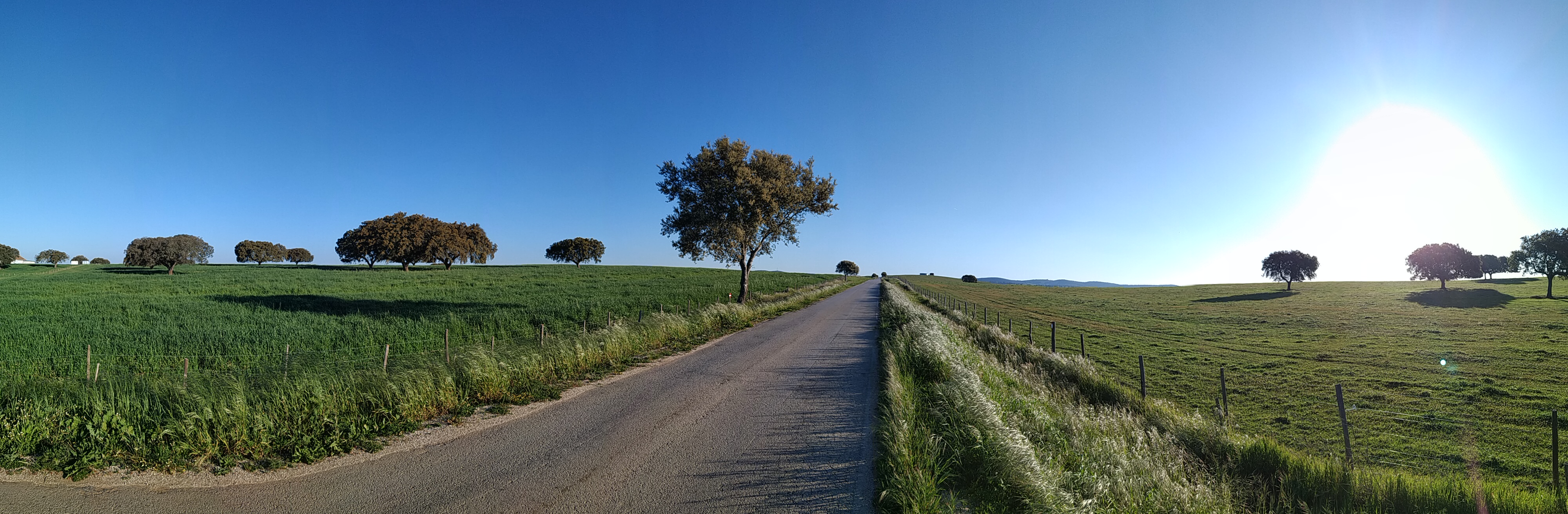
And then things started going wrong. In the route I had saved, the route planner just gave up at some point, just plotting a straight line between where I was and where I ought to be.
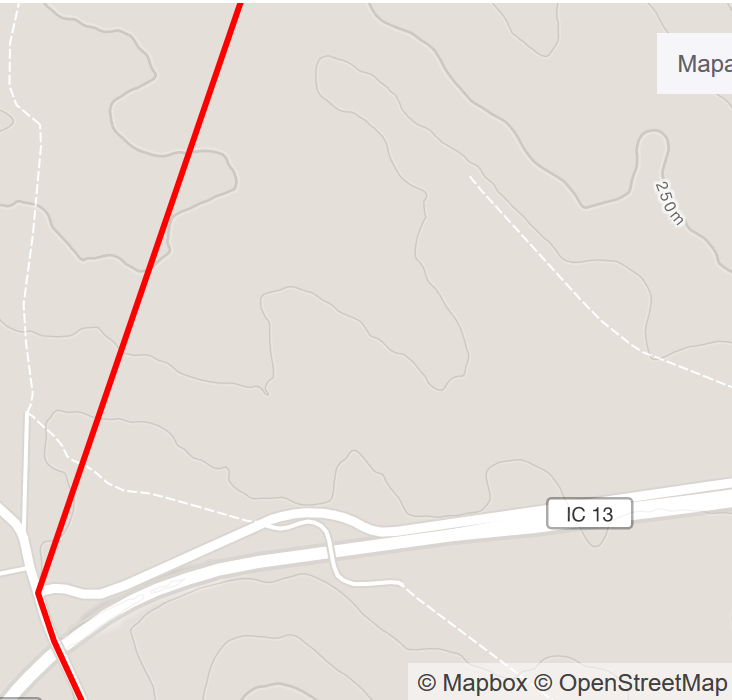
I guess I’d have to draw the owl. The tool I used to generate most of these paths really likes avoiding roads, so I figured the left path would be the intended one. In hindsight, this is where I should have turned back.
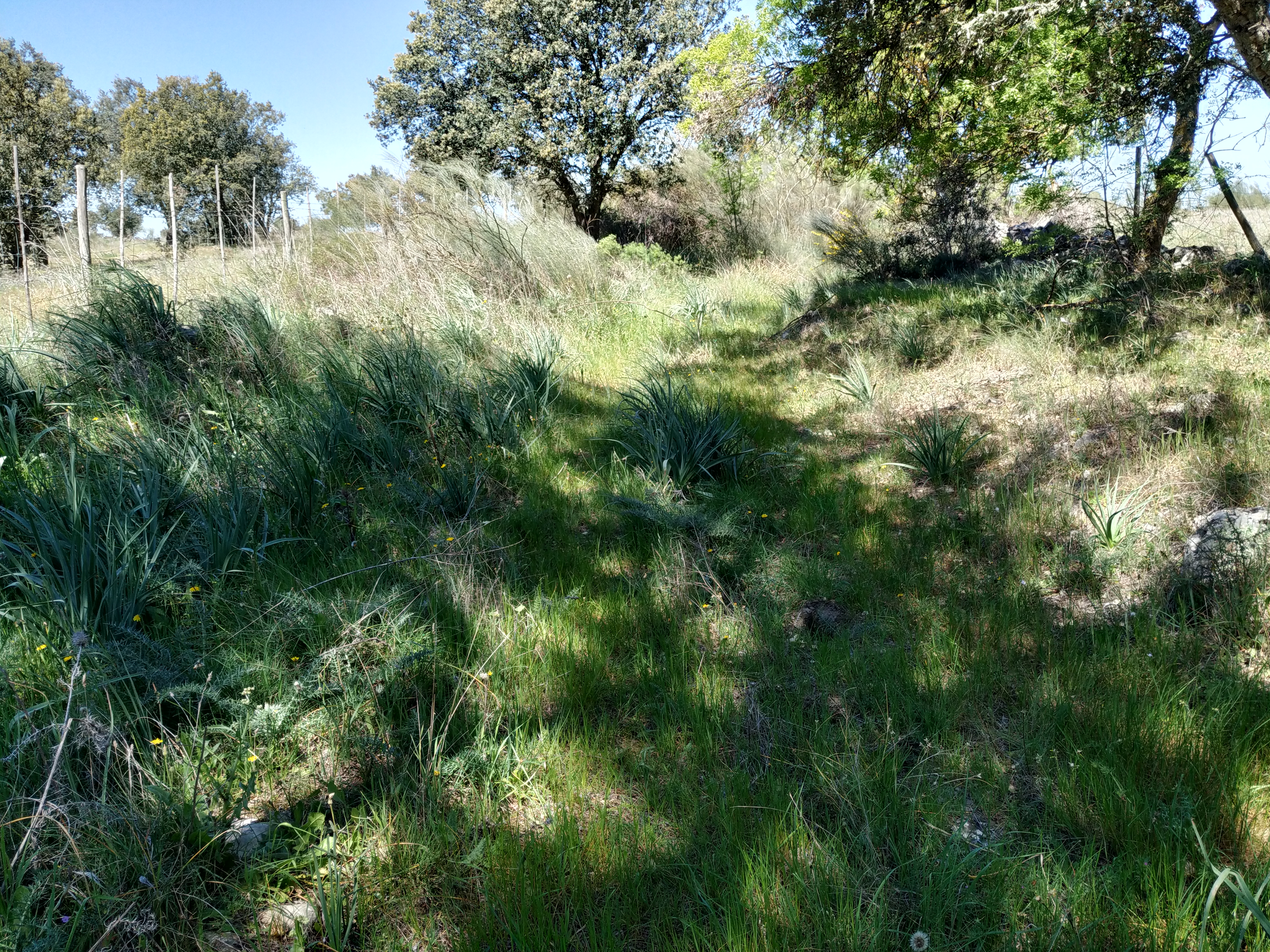
But I kept going. And it got worse than that. And then, 1 or 2 km up ahead… there was a gate. So I had to turn back. On the way back, though, my rear derailer hit a rock and it got bent out of shape, breaking a spoke in the process.
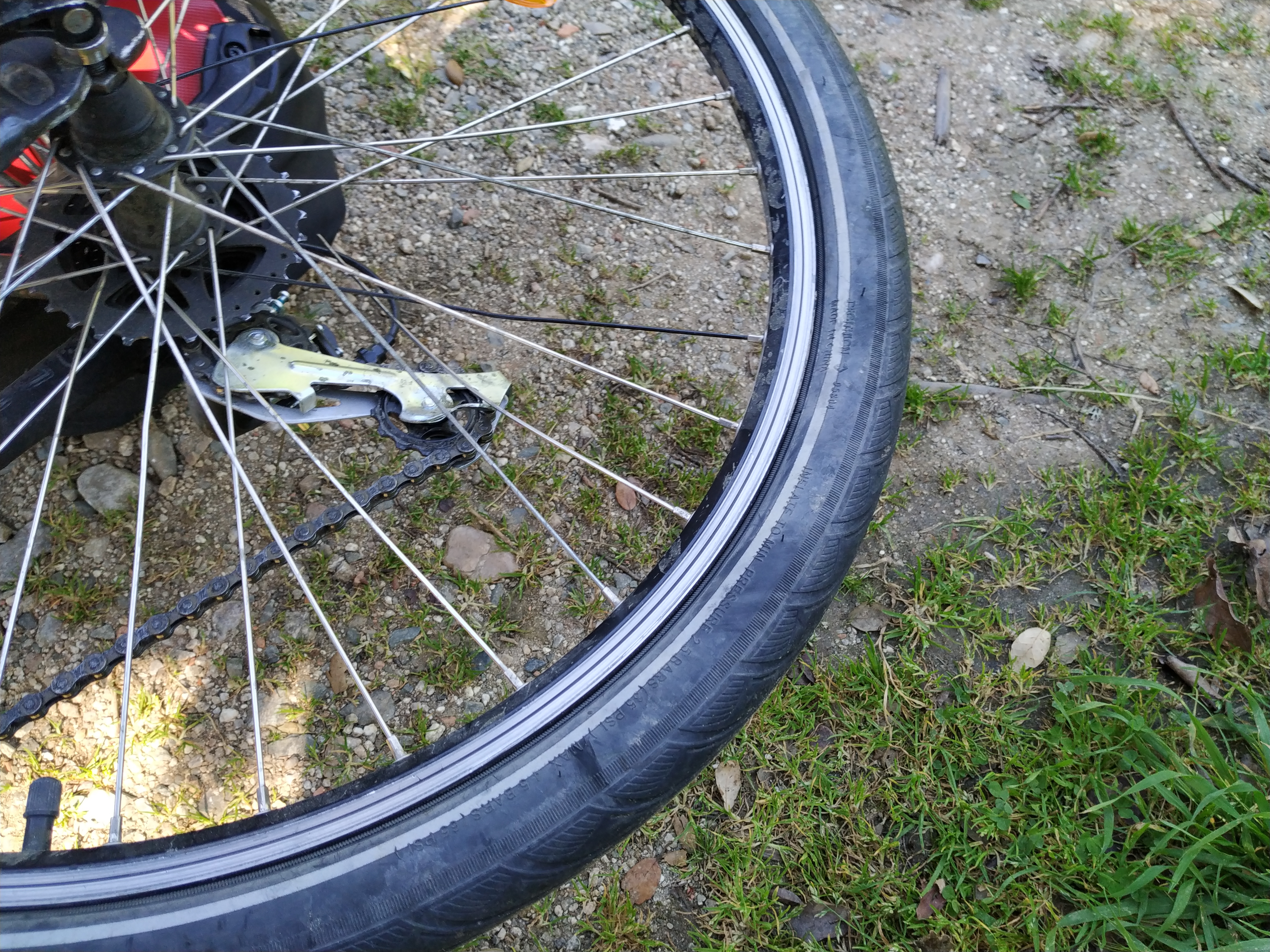
I disassembled the derailer and banged on metal piece a bit, replaced the spoke with one of the spares I brought along and it… worked pretty well! I fully expected not to be able to use the rear first gear afterwards, but it all still works.
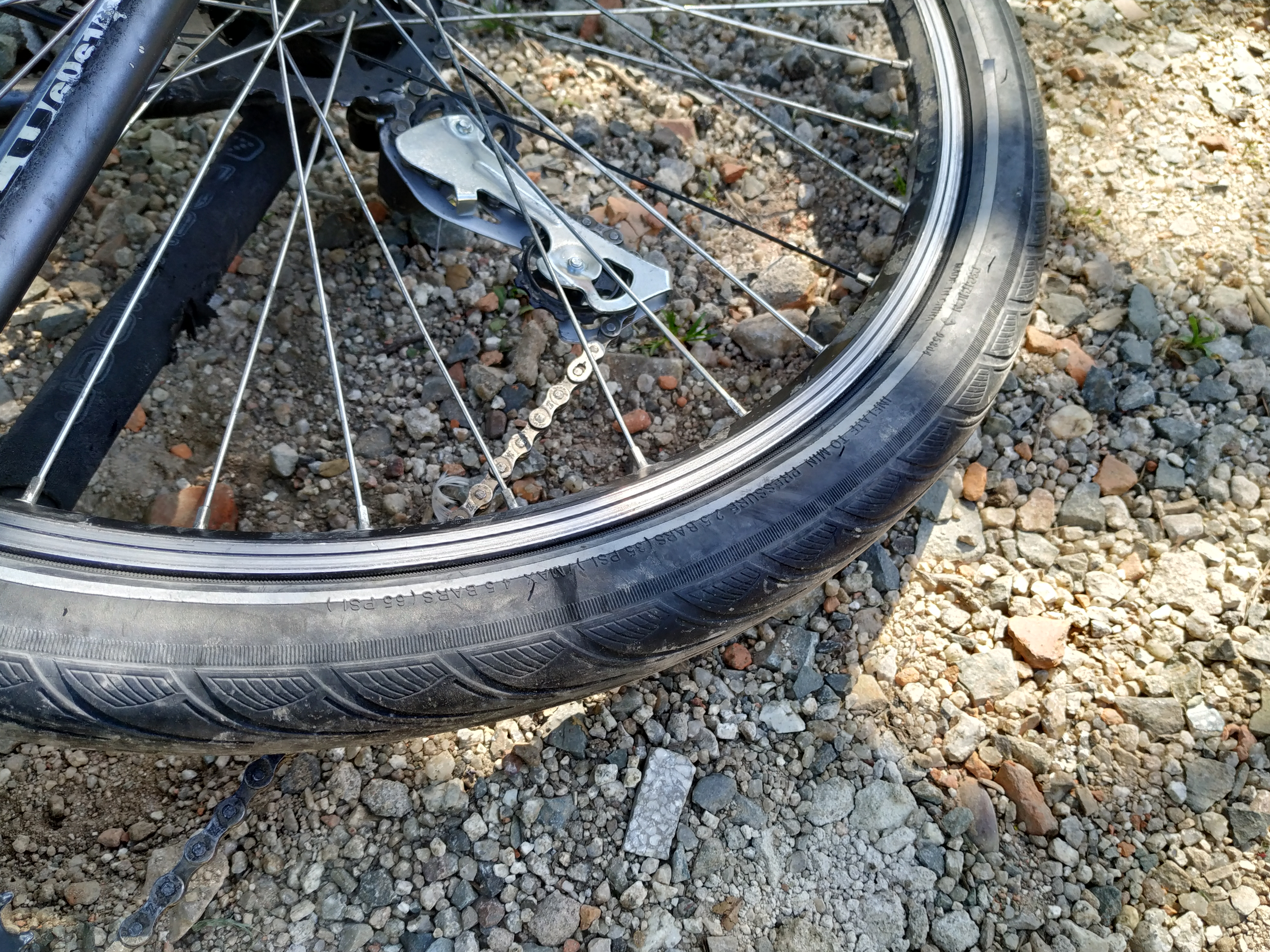
All in, it was probably a waste of around three hours.
The terrain here is littered with what I like to call Windows XP hills, but since the end point of the ride was 300m higher than the start, there was quite a bit of climbing. I arrived at Portalegre pretty beat, already at nighttime, sometime after taking a selfie with a horse.

Which leads us to yesterday, which I took to tour around town. Portalegre is a medieval town and it shows. It’s on a hill, it has a castle, and lots of narrow, haphazardly laid out streets. It has, at times, a great contrast of old vs new.


At other times, this contrast isn’t so positive. It reminds me a bit of Lisbon when I was a kid, where every square meter of public space needed to have a car, like the city’s purpose was to be a big parking lot.


A visit to the castle leaves us with just one question: why? Or maybe also: WHAT WERE THEY THINKING?!


Bonus: The exhibition space is completely empty and the top floor is sealed off. At the other end of it, there was another tower from the castle, with an empty room and no way to climb it, and this safety feature on the windows:

Yep! No one can open that now! Now, I came to see a castle, not this. I turned back to the main courtyard in disappointment, and then realized that while they’re not giving me a castle experience, the lady downstairs’ eyes were all on her computer when I came in, and I’m not shy about jumping a fence, so I did, and I climbed a wall, and then I climbed a tower after climbing that wall.


Yep! That was worth it! And not a peep from her at the exit!
This leads us, then, to the old lady in the posts’ title. Now, any one who knows me will tell you I’m not an artsy person. In fact, I was in front of the former home–now museum–of the late José Régio, a somewhat famous writer / poet who reportedly had an extensive religious art collection, thinking: “no, I can’t imagine that being interesting”.

This building across the street had a sign on the door to the effect of “Guided tours: <phone number>”. I didn’t really have an idea what it was, but I saw an old lady come out with a broom on her hand and said:
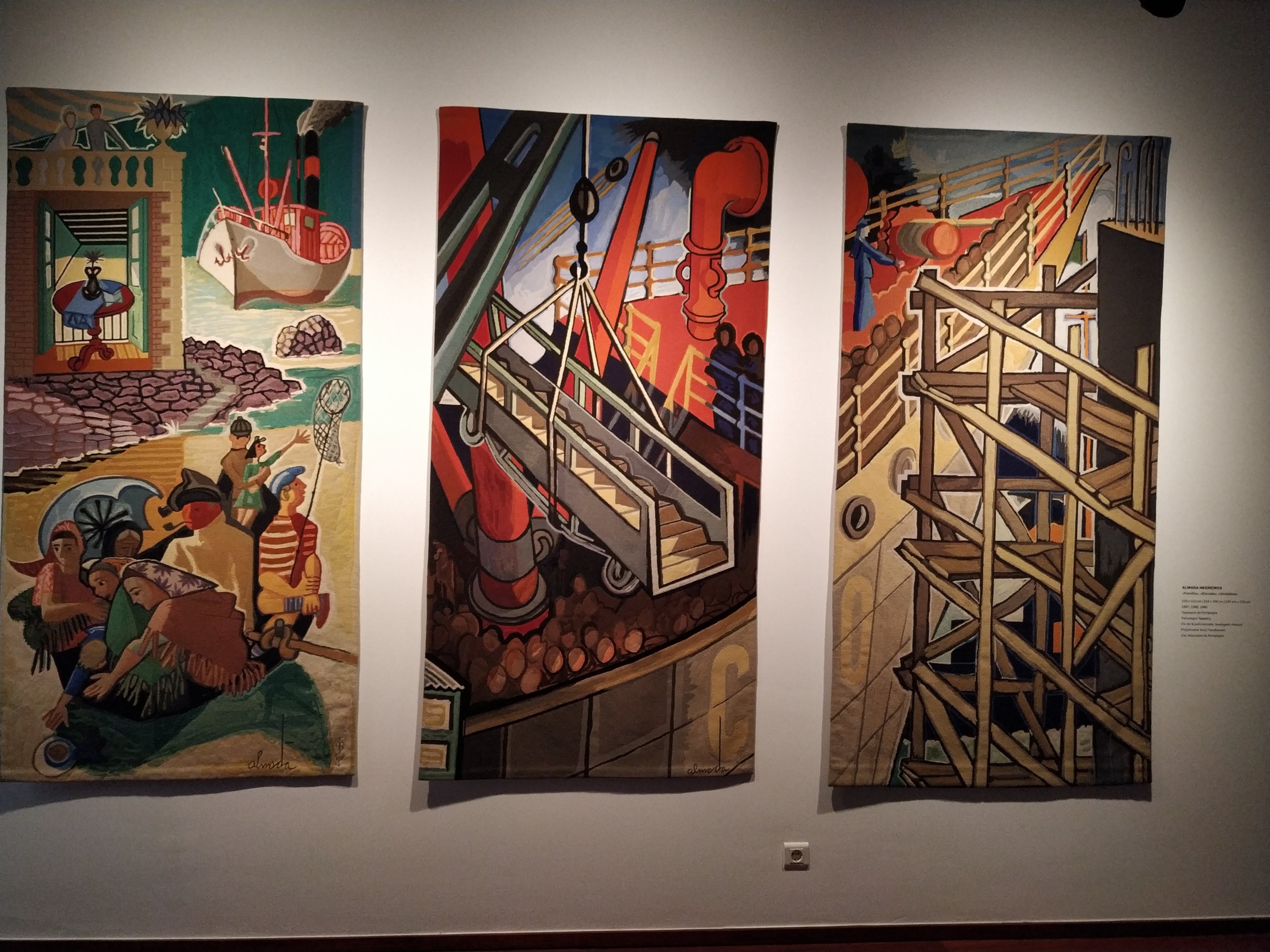
“Good morning, can I have a guided tour?” And she was like, “Sure!” This was my introduction to D. Fernanda and to Manufactura de Tapeçarias de Portalegre, an internationally renown tapestry manufacturer, who use a kind of stitching they devised, which allows flat tapestries with smooth curves and gradients. She proceeded to show me around the building, where they use vertical looms to turn a painting into a tapestry and do every single thing by hand.

I’ve found it interesting, so then I visited the tapestry museum (of course!). The process starts with tracing the painting into millimeter paper and assigning colors to each section.
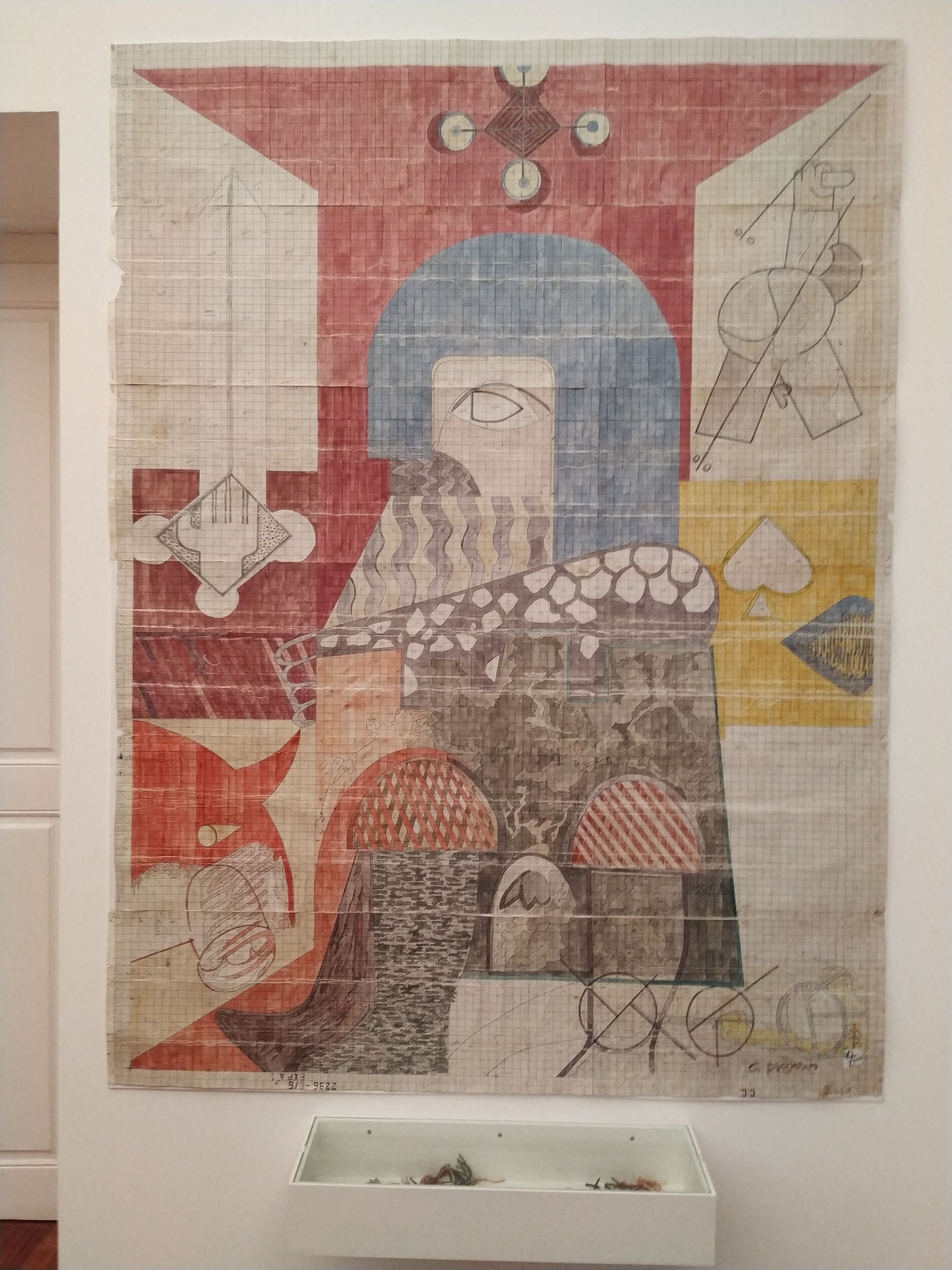

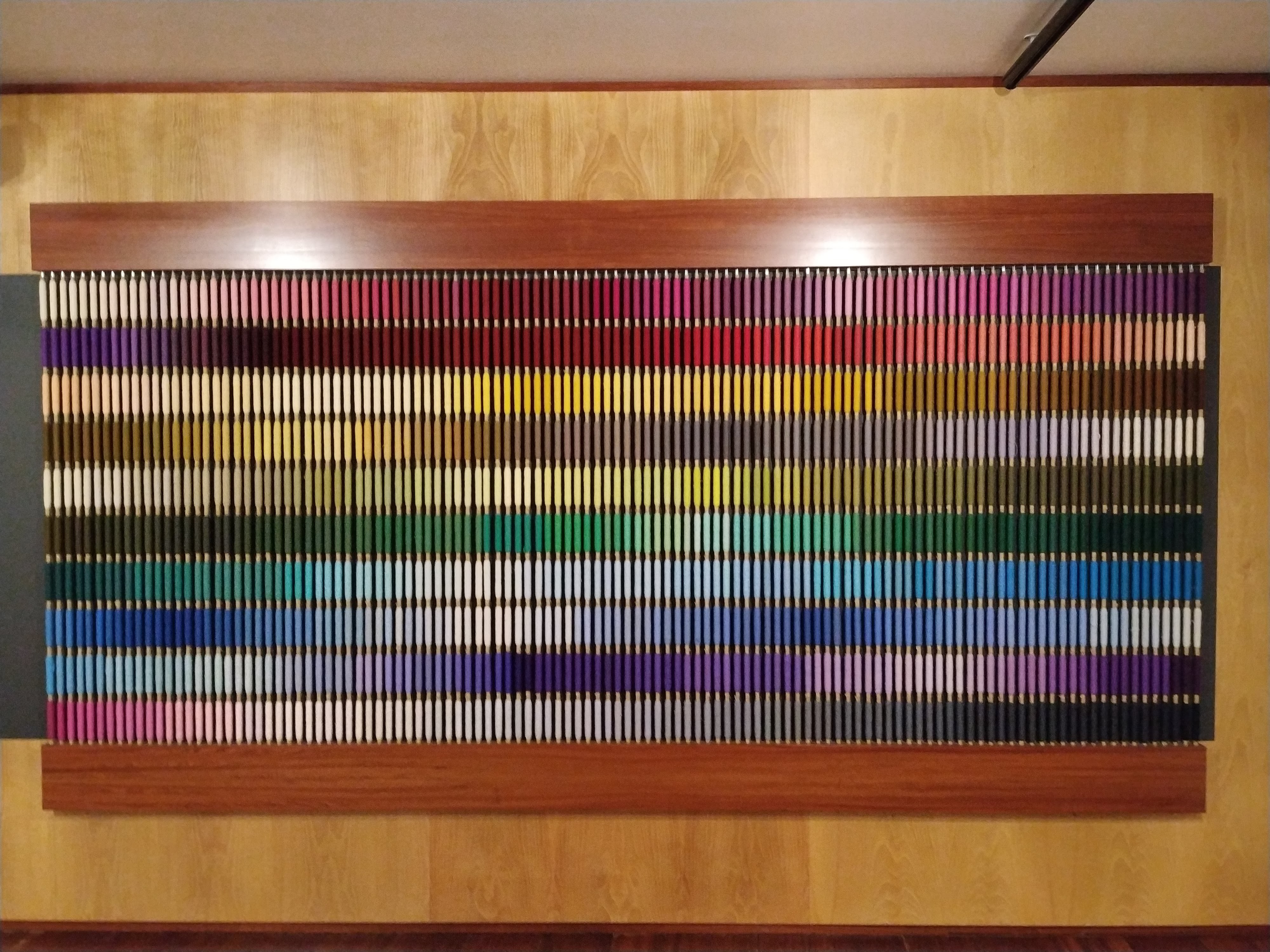
They then have the milimeter paper at eye level, and, moving up a line at a time, weave each stitch in place. Since each stitch is made of eight strands, they can mix them to form smooth transitions between colors, creating tapestries that look a lot like their original paintings, really.
I also visited the cathedral, where it was absolutely forbidden to take pictures inside. You know where this is going.
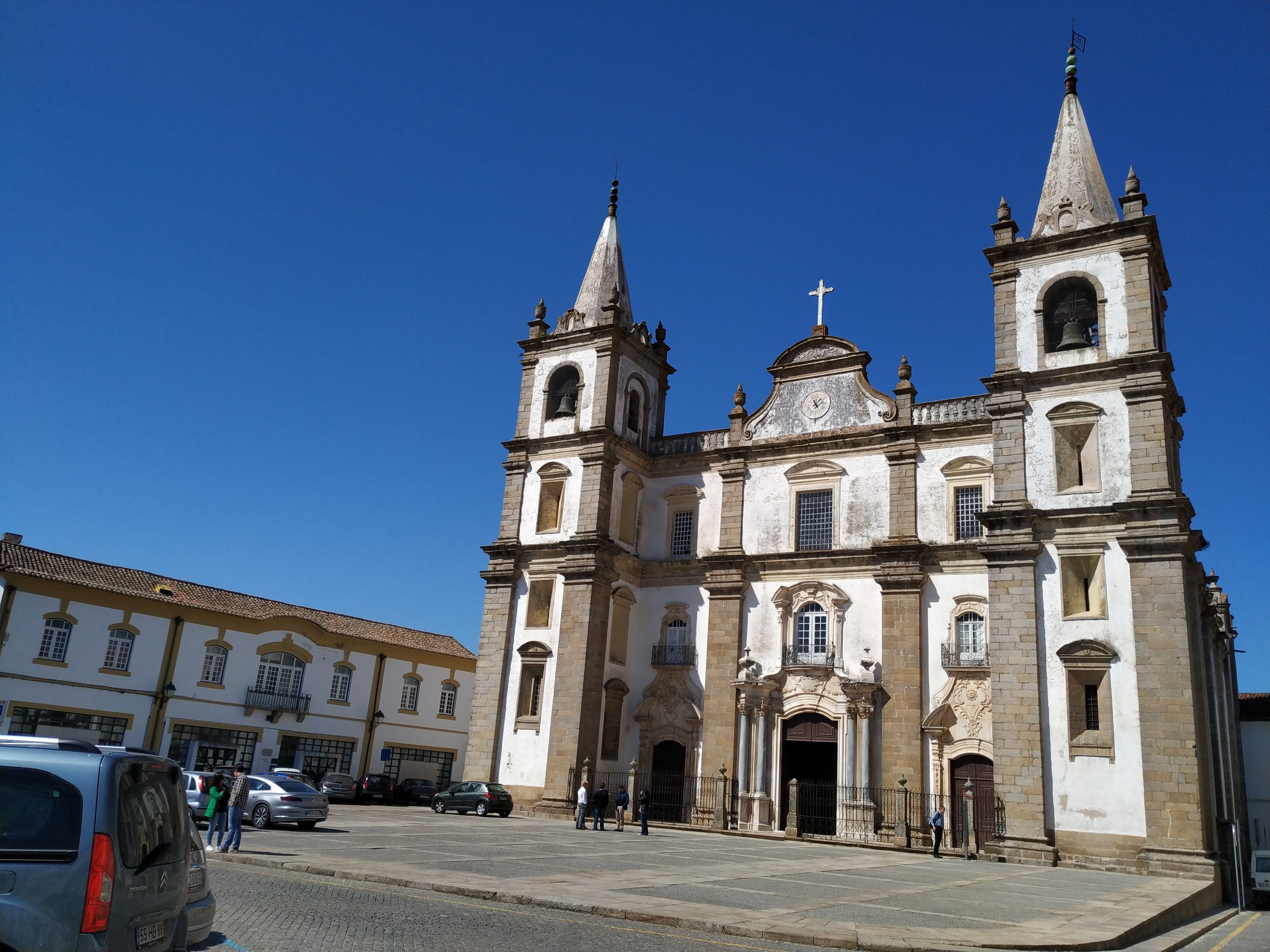
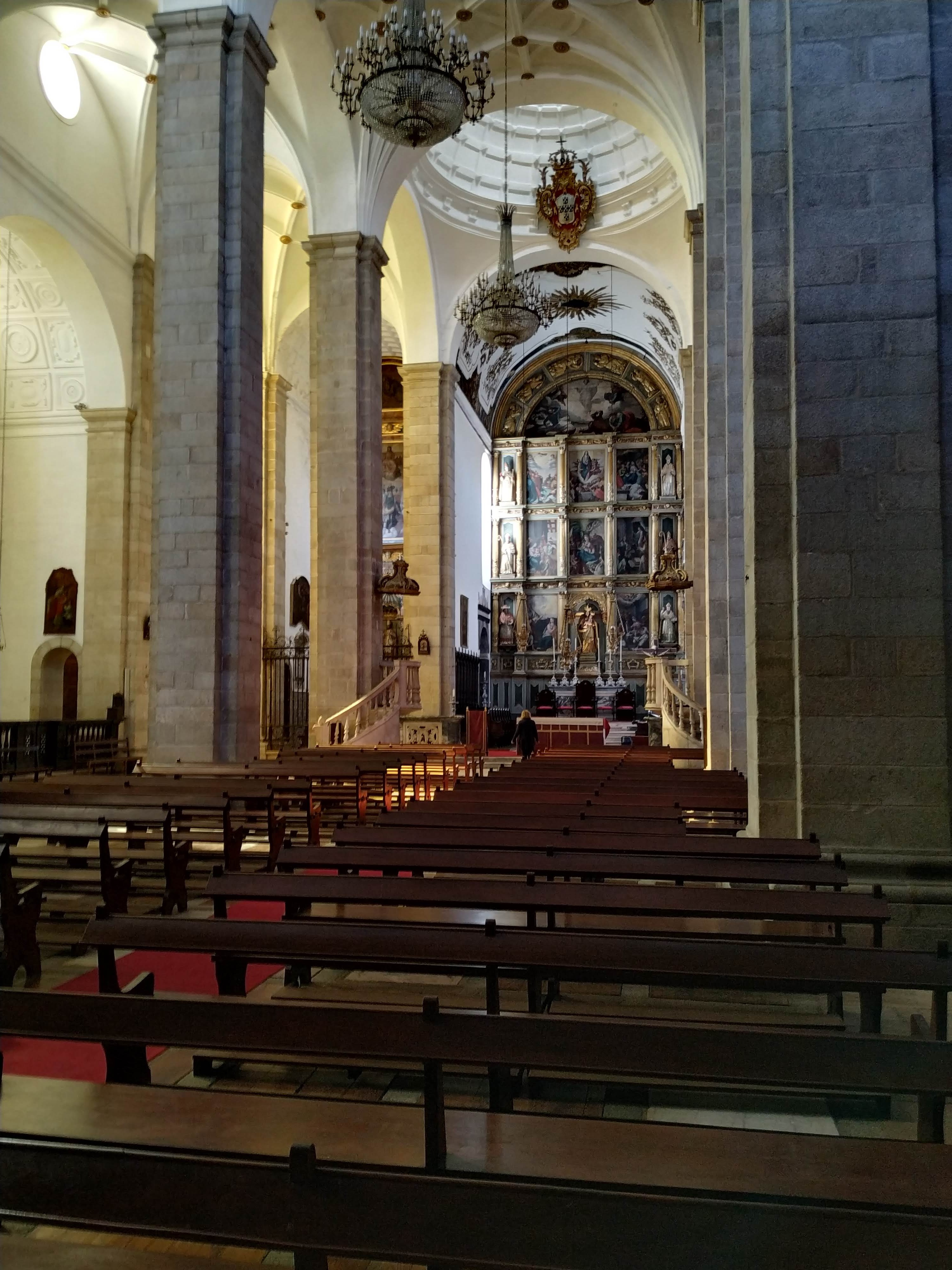
It’s… a cathedral. Not a very well preserved one, though the inside is, at least, a bit better than the outside. The (mildly visible) ceiling has an interesting pattern, too.
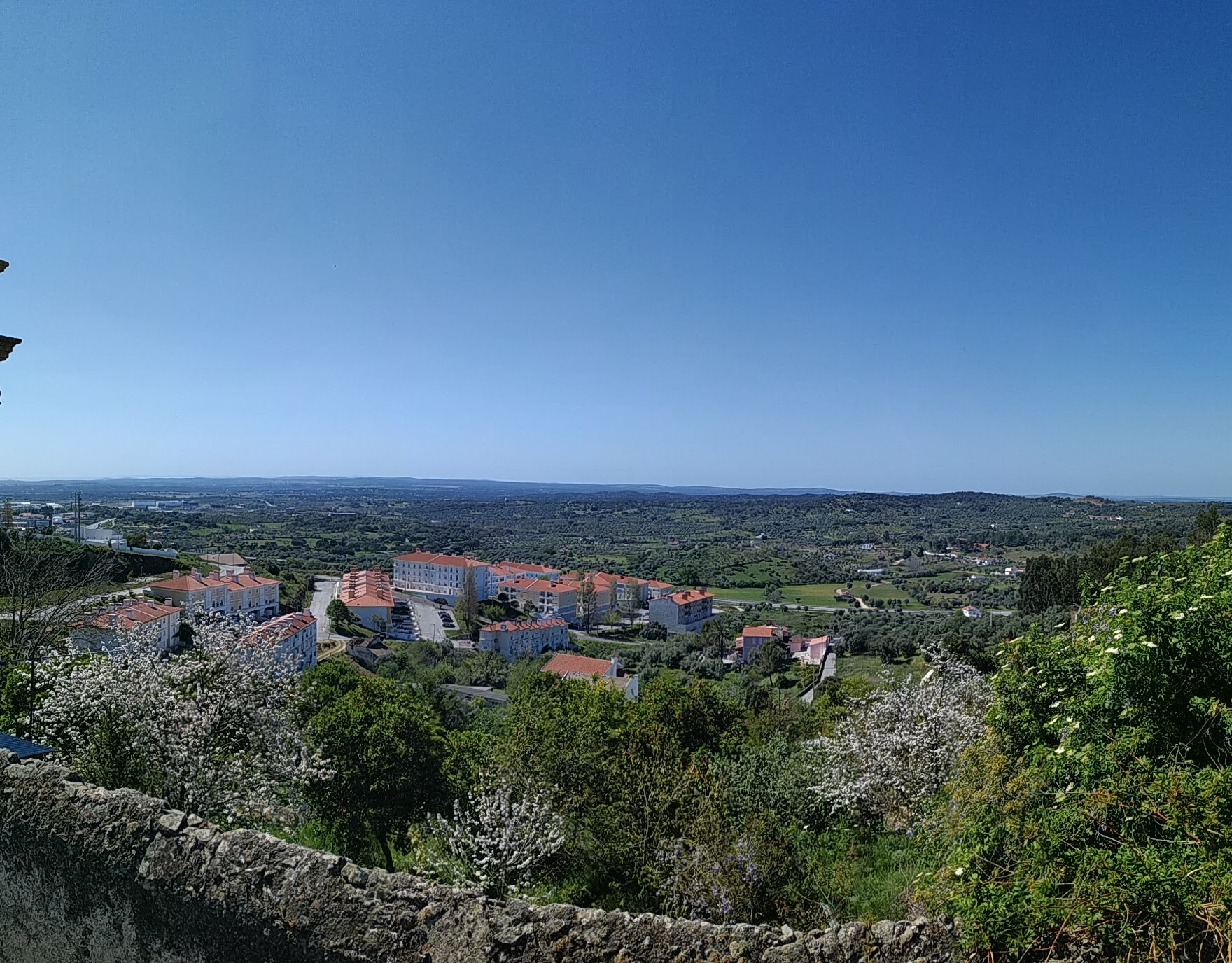
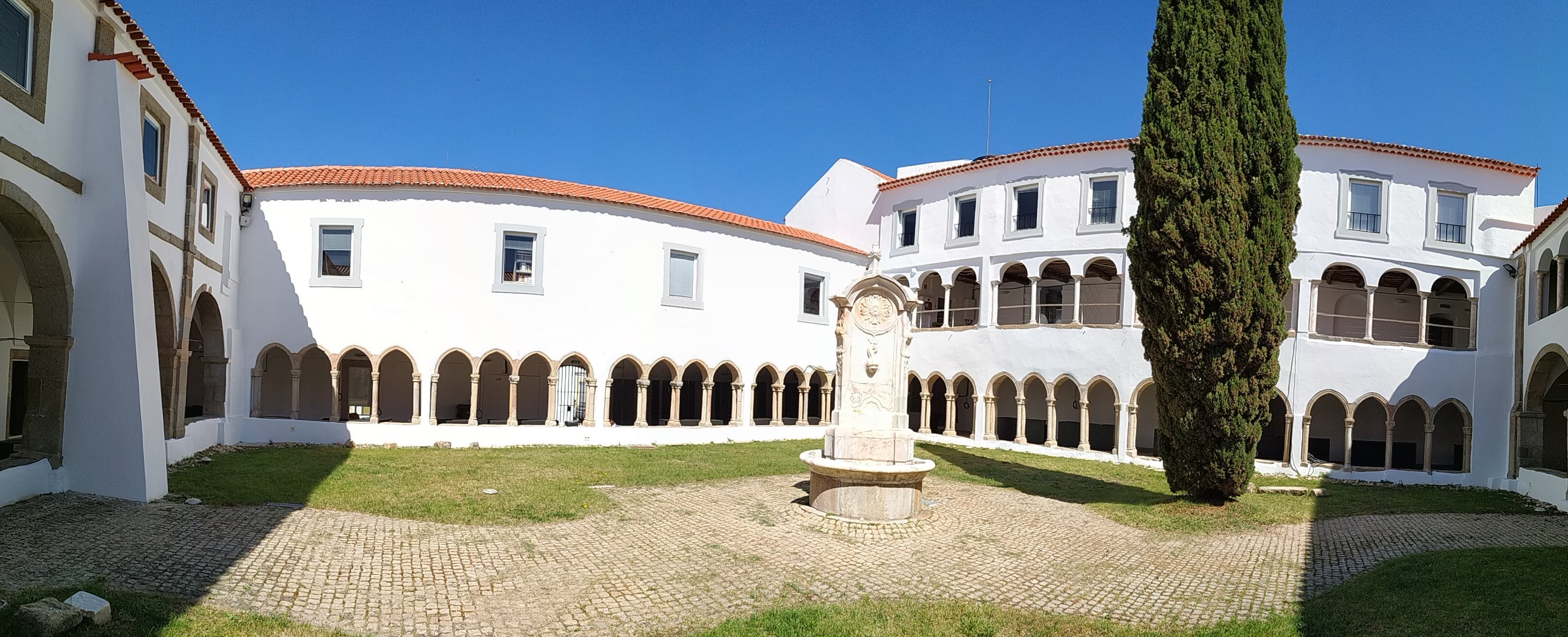
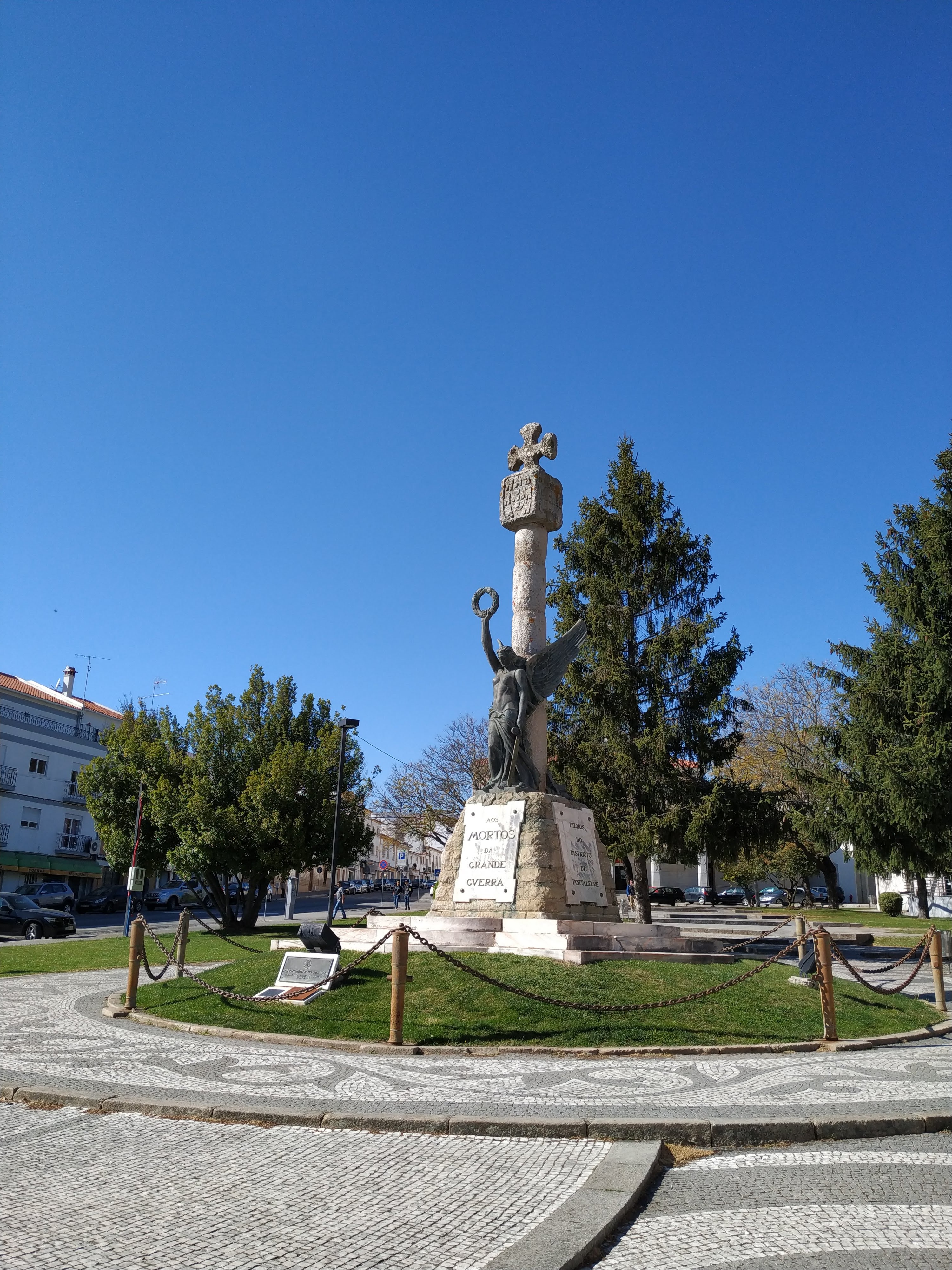
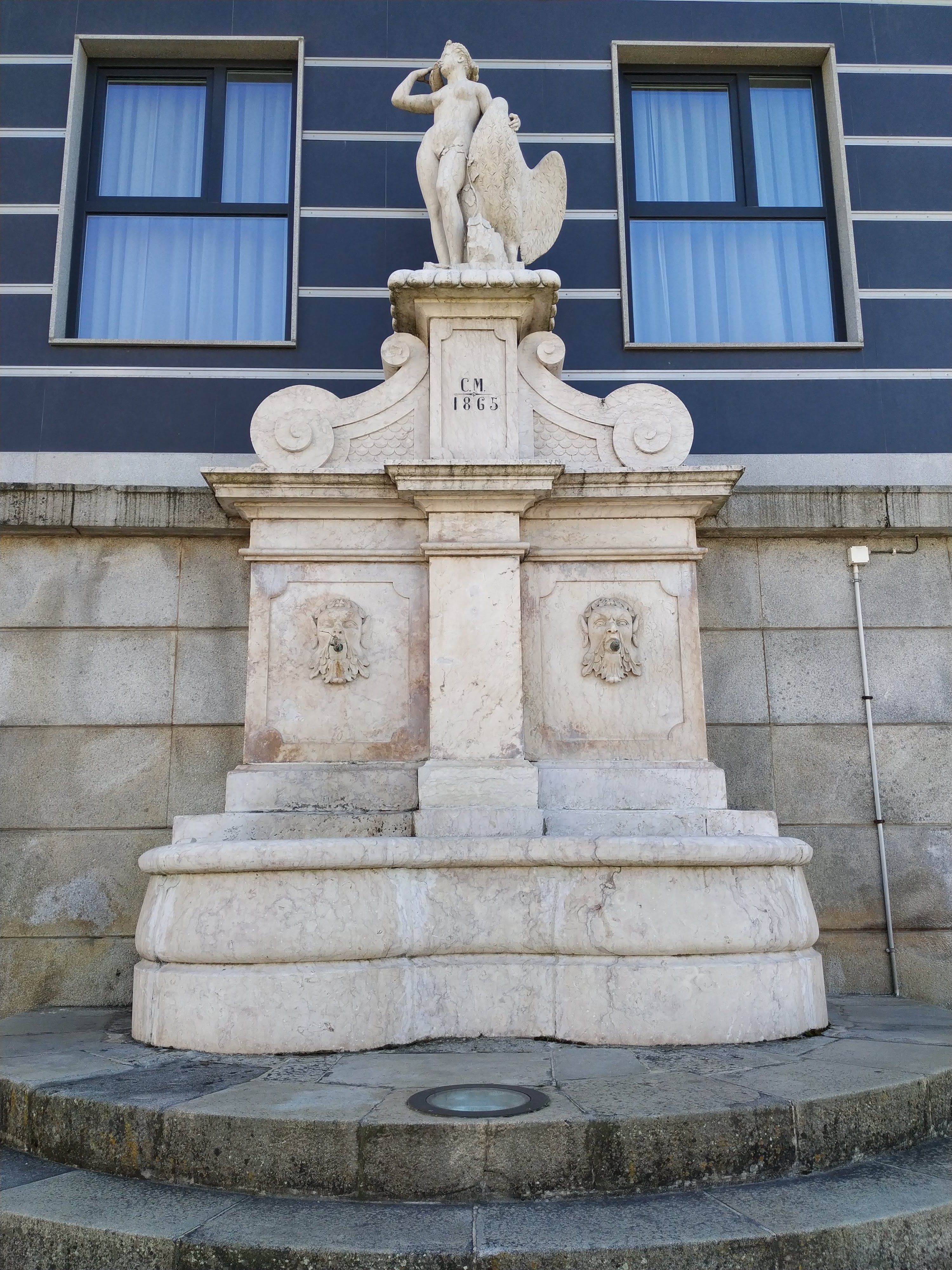
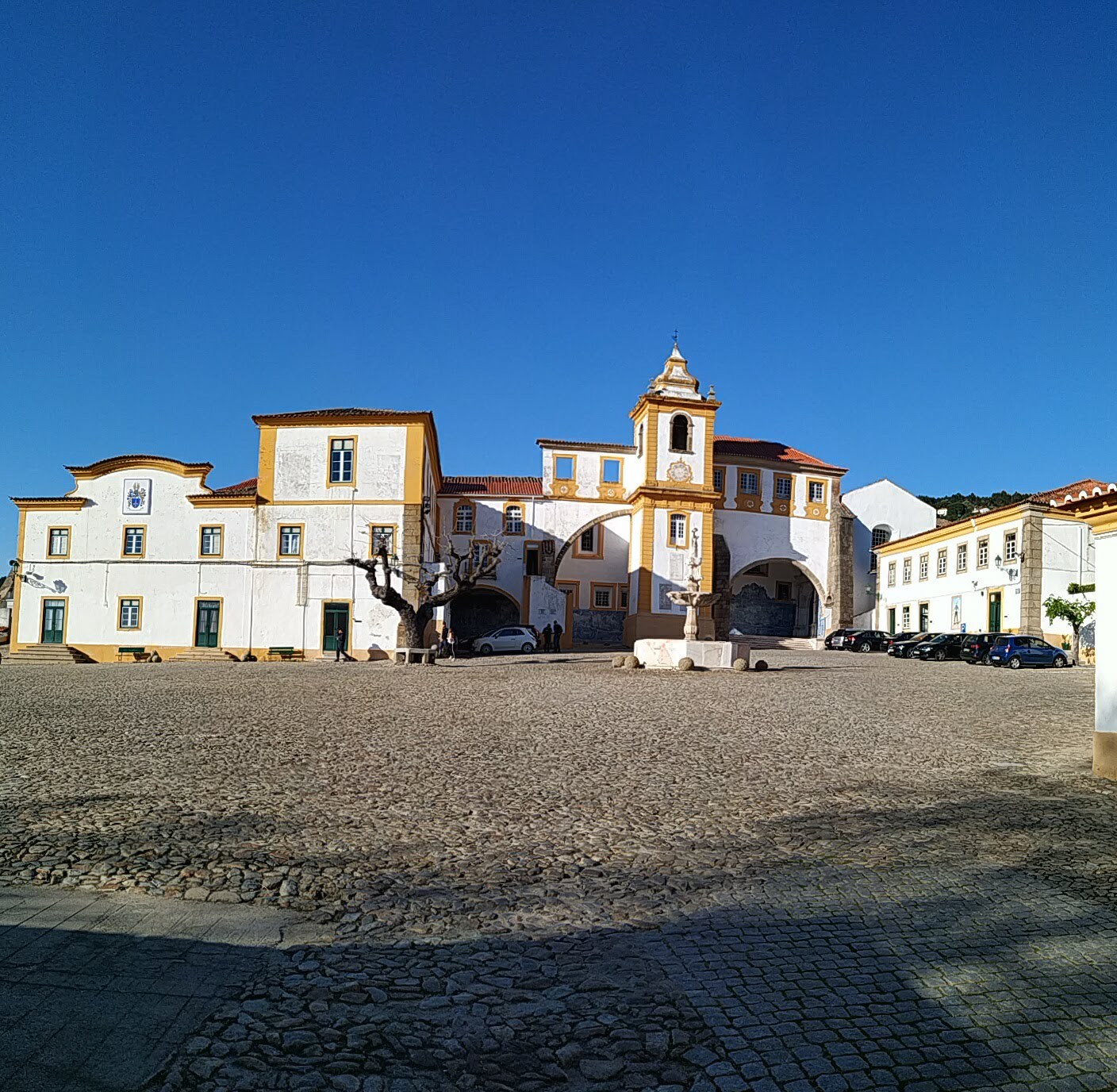
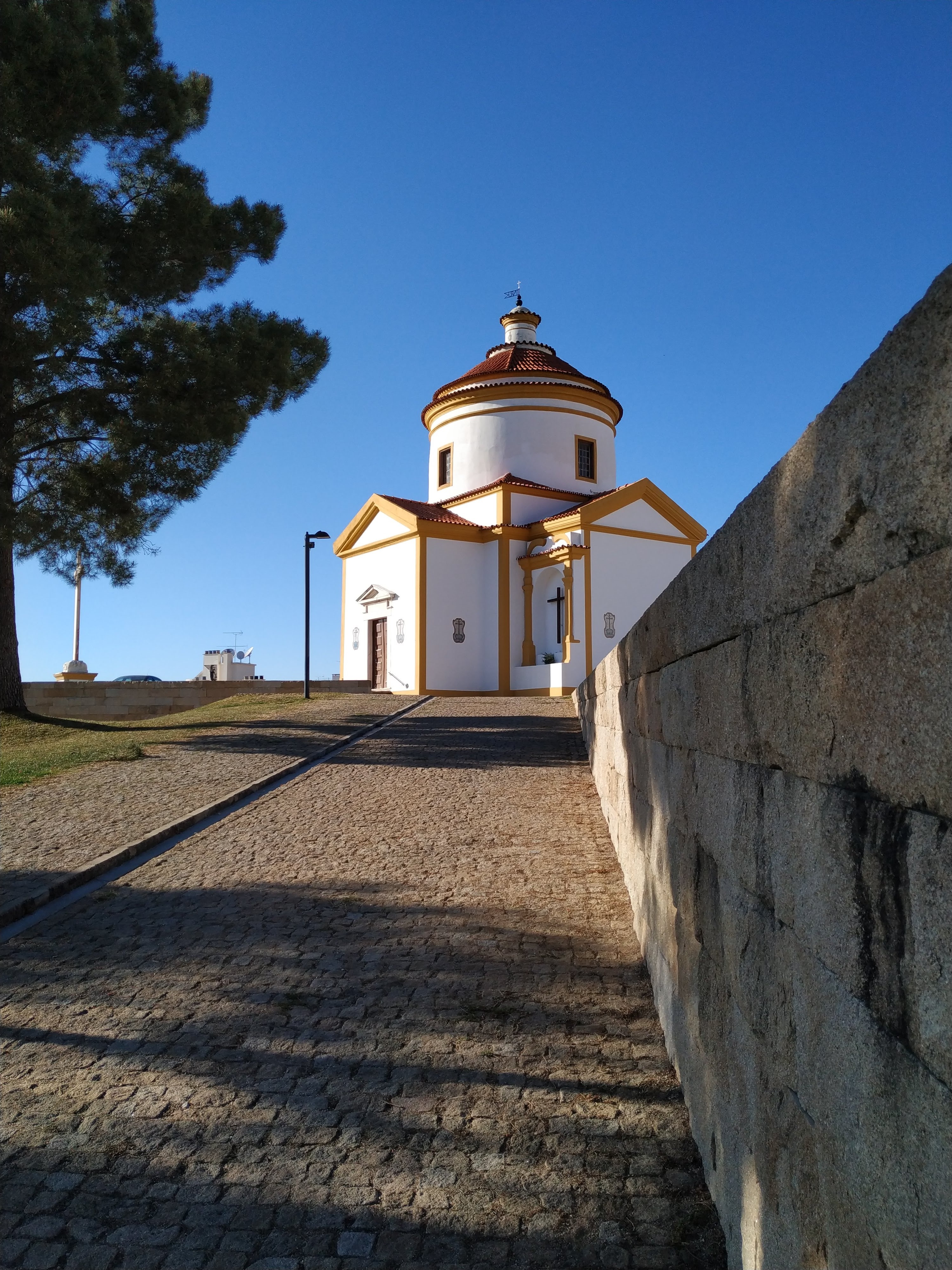
There were still more pretty places to be seen:
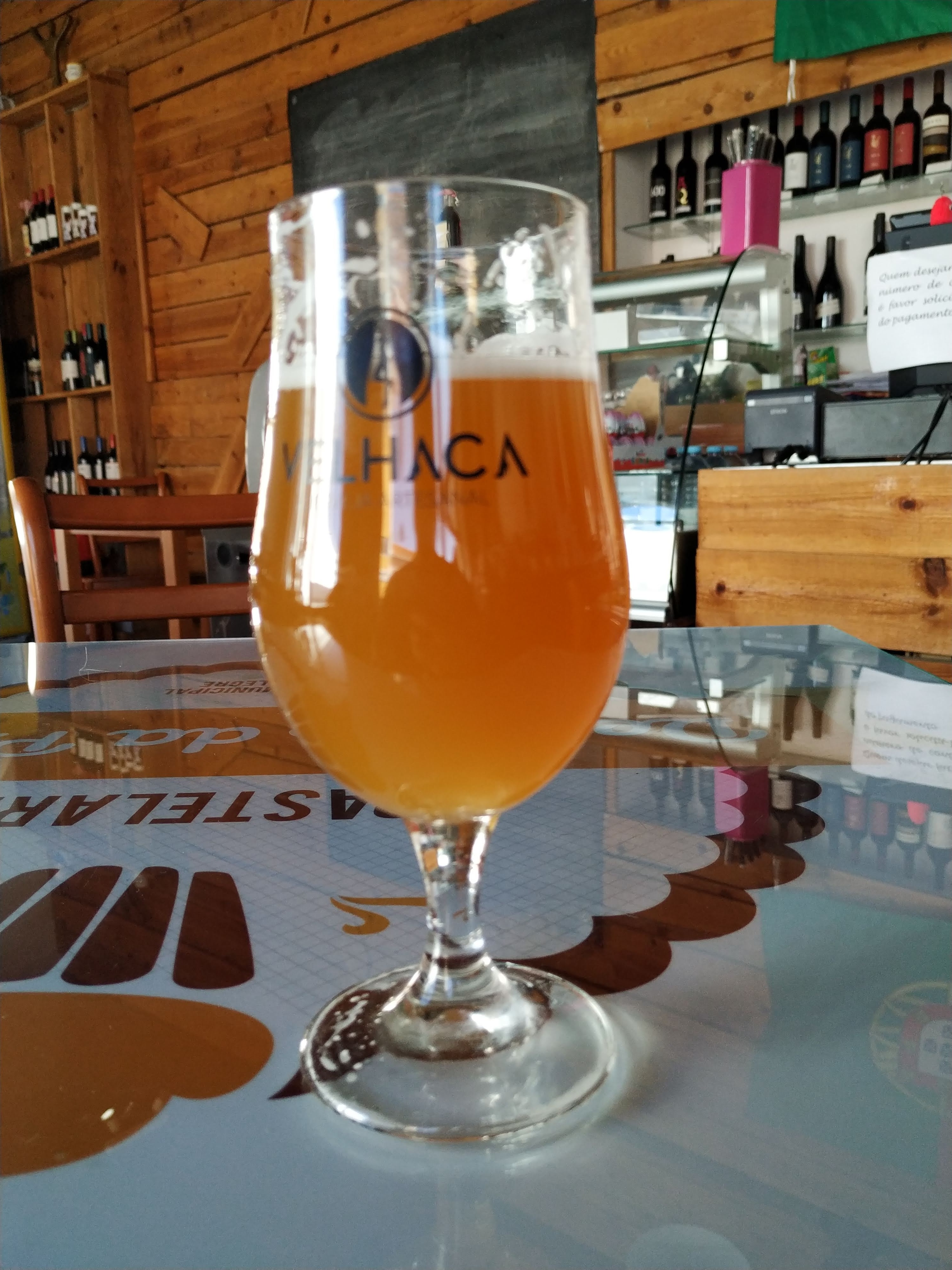
There’s also a local craft brewery, from which I got to sample their “American wheat beer”. It tastes like wheat beer but it also tastes a bit… fruity, like it has a hint of peach. I can’t believe it, but the flavor actually works! It’s pretty delicious.
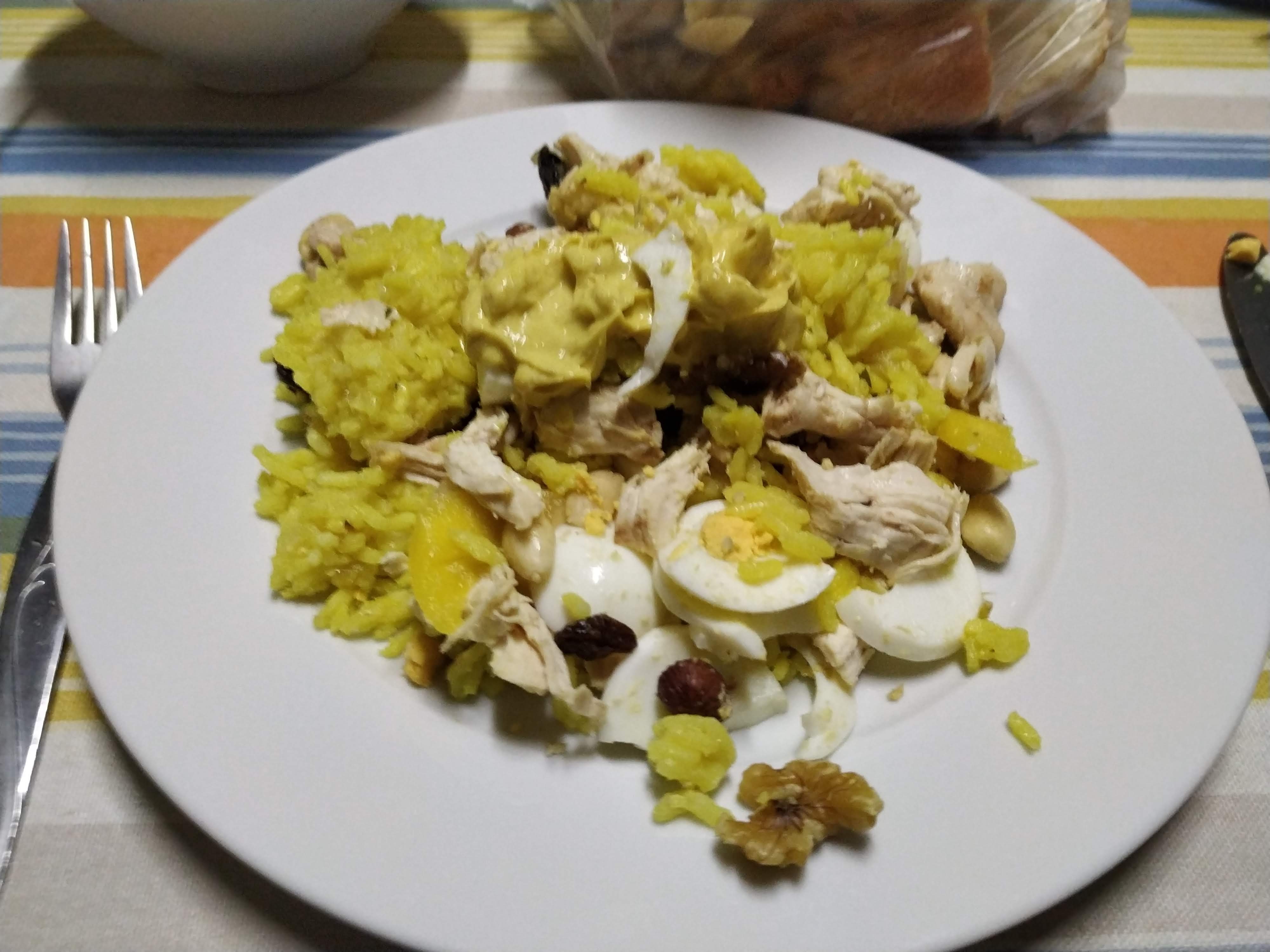
Back at the hostel, a group of nursing master’s students had arrived and were kind enough to offer me dinner. If you had told me you’d put mayo, banana and mango on a chicken curry before today, I would told have told you to shove it. However, the prospect of a free meal made me try it, and I’ll be damned if it wasn’t great! Thanks to Diana for cooking and the rest for the company.
And that was it for Portalegre. Thanks for reading, but I have one last request, for now. So far, you’ve been content with just reading the blog, but now something I saw here in town tells me it is time to take action. A conflict is on the horizon. Tensions are rising. Intentions have been declared and statements have been made. So my question for you is…

Whose side are you on?
 The Lazy Cyclist
